
Introduction
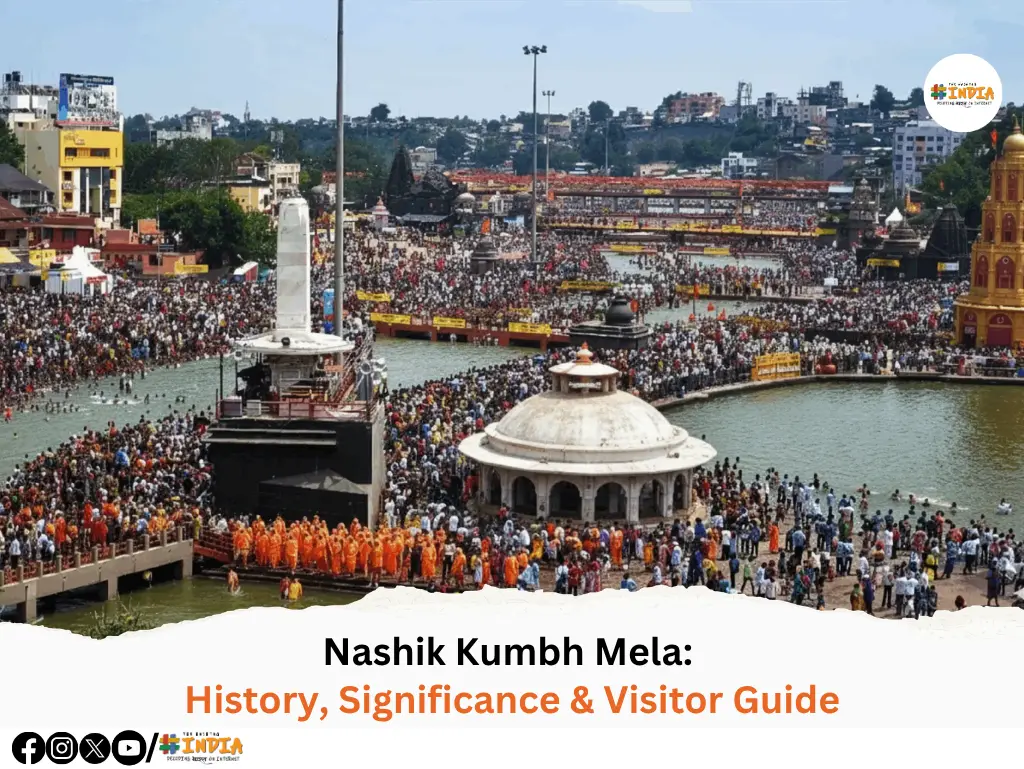
The Nashik Kumbh Mela is one of the largest spiritual gatherings in the world, held on the sacred banks of the Godavari River in Nashik and Trimbakeshwar, Maharashtra. It happens once every 12 years and transforms the entire region into a divine city filled with devotion, rituals, saints, and millions of pilgrims.
Nashik-Trimbakeshwar Simhastha Kumbh Mela is not just a festival, it is a spiritual experience where faith, mythology, and culture come alive on a massive scale. Devotees believe that attending this Mela and taking a holy dip washes away sins and leads to spiritual liberation.
What is Nashik Kumbh Mela?
Nashik-Trimbakeshwar Simhastha Kumbh Mela is one of the four major Kumbh Melas in India, held in Nashik when Jupiter enters the Leo zodiac (Simhastha period). It is a sacred Hindu gathering where saints and devotees unite for rituals and holy bathing.
Kumbh Mela symbolizes the gathering of divine energy and spiritual purification. Nashik becomes a temporary spiritual city with millions of pilgrims, making it one of the most visited religious events globally.
Mythology Behind Kumbh Mela
The origin of Kumbh Mela comes from the ancient story of Samudra Manthan (Churning of the Ocean) where gods and demons fought over the nectar of immortality (Amrit).
During this battle, drops of Amrit fell at Nashik, Prayagraj, Haridwar, and Ujjain, making these places sacred pilgrimage sites. Bathing during Kumbh is believed to free a person from sins and karmic cycles.
Spiritual Importance of Nashik Kumbh Mela
Nashik Kumbh Mela holds unique importance due to its connection with the Godavari River and ancient Hindu traditions. It is one of the most powerful gatherings of saints, ascetics, and devotees in India.
It is closely linked with Trimbakeshwar Jyotirlinga Temple, making it spiritually stronger. The Mela is known for rituals, teachings, and massive participation of Naga Sadhus and akharas.
Sacred Rituals of Kumbh Mela
1. Shahi Snan (Royal Bath)
Shahi Snan is the most important ritual where saints and akharas take the first holy dip in the river.
It is believed that this bath removes sins and grants spiritual liberation (moksha).
2. Naga Sadhus & Akharas
Naga Sadhus are ascetic saints who renounce worldly life and cover themselves in ash.
They lead the Shahi Snan procession and represent ancient Hindu spiritual traditions.
3. Spiritual Discourses
Saints and gurus deliver teachings on the Bhagavad Gita, Ramayana, and spirituality.
These sessions help devotees understand karma, life purpose, and devotion.
4. Bhajans & Cultural Events
Devotional music, kirtans, and cultural performances continue throughout the Mela.
The atmosphere feels like a non-stop celebration of faith and divine energy.
Major Sacred Locations During Kumbh
1. Ramkund (Main Bathing Ghat)
Ramkund Nashik
Ramkund is the most sacred bathing ghat in Nashik where millions take holy dips. It is believed Lord Rama bathed here during his exile.
During Kumbh, it becomes the main ritual site for Shahi Snan and ancestral rituals, filled with priests and devotees.
2. Trimbakeshwar Jyotirlinga
Trimbakeshwar Jyotirlinga Temple
Trimbakeshwar is one of the 12 Jyotirlingas and a major spiritual center during Kumbh Mela. It is famous for powerful rituals and Shiva worship.
During Kumbh, thousands of saints gather here for prayers, making it one of the most sacred zones of the festival.
3. Sadhugram (Temporary Saint City)
Sadhugram is a specially built temporary city for saints and akharas during Kumbh Mela. It includes tents, kitchens, and spiritual camps for lakhs of ascetics.
Only authorized access is allowed here, and it becomes the center of spiritual discussions, rituals, and saint gatherings.
Timing & Cycle of Kumbh Mela
Kumbh Mela in Nashik is held every 12 years based on planetary positions, especially Jupiter in Leo (Simha Rashi). This astrological timing is considered highly sacred in Hindu tradition.
The Mela lasts for several months, but Shahi Snan dates are the most important and attract the highest number of devotees.
How to Reach Nashik for Kumbh Mela
Nashik is well connected to all major cities in India. Mumbai is the nearest major airport and offers the easiest international access.
- By Air: Mumbai Airport (~170 km) is the best option
- By Train: Nashik Road Railway Station connects major cities
- By Road: Well-connected highways from Mumbai and Pune
Detailed Travel Tips for Visitors
Planning is very important because Kumbh Mela attracts millions of people. Booking accommodation early is essential.
Carry light luggage, stay hydrated, and follow official instructions. Avoid peak crowd pressure areas if you prefer a calm experience.
Accommodation During Kumbh
Accommodation options range from luxury tents to budget stays in Nashik city. Government tent cities are also set up near the river.
Dharamshalas and temporary shelters provide affordable options for pilgrims coming from all over India.
Final Thoughts
The Nashik Kumbh Mela is not just a festival but a once-in-a-lifetime spiritual phenomenon where millions gather in devotion on the banks of the Godavari River. It is a rare moment when an entire city transforms into a sacred space filled with rituals, chants, saints, and divine energy.
For visitors, it is more than travel, it is an experience of faith, culture, and inner transformation that stays with you forever.
Explore Nashik beyond the vineyards and uncover the stories shaping its culture, spiritual roots, local food, hidden ghats, and everyday rhythm. Experience the city like a local:
- The Ultimate Nashik Travel Guide (Temples, Vineyards, Food & Nature)
- Top Temples in Nashik You Must Visit
- Trimbakeshwar Jyotirlinga: Complete Travel & Darshan Guide
Stay Connected with The Hashtag India!
Love what you just read? Just Stay curious, keep exploring, and let every story inspire your day, your passions, and your journey!
Follow us for more amazing content: