
Introduction
A powerful earthquake struck the southern Philippines on Monday, causing widespread shaking across Mindanao and triggering tsunami warnings throughout parts of Southeast Asia. The strong seismic event prompted authorities to launch emergency operations immediately, while rescue teams began assessing damage and searching for individuals affected by the disaster.
Major Earthquake Strikes Southern Philippines
The earthquake, estimated at a magnitude of approximately 7.8 by several seismic monitoring agencies, occurred offshore near Mindanao during the early hours of June 8. The epicenter was reported near the Sarangani area, where residents experienced some of the strongest ground shaking associated with the event.
People across multiple provinces reported being jolted awake as intense tremors rattled homes and buildings. In schools, offices, and public facilities, occupants quickly evacuated structures as the shaking caused buildings to sway noticeably. Emergency management agencies moved swiftly to begin inspections and evaluate the extent of the damage.
Casualties and Structural Damage
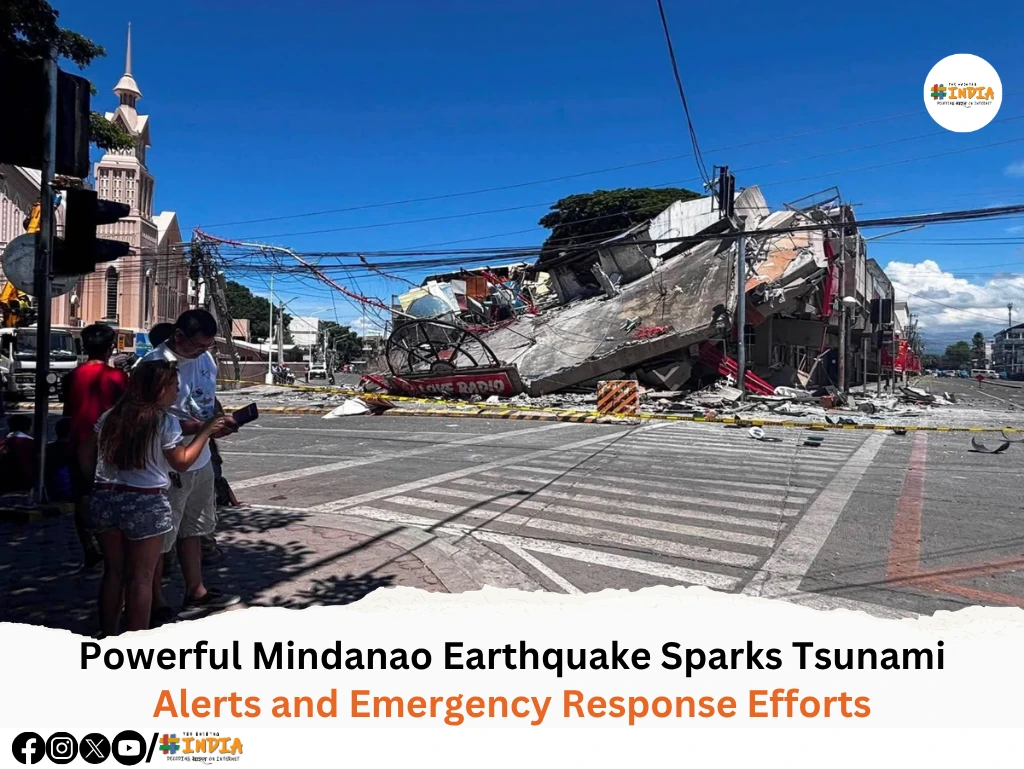
Early reports indicated that the earthquake resulted in several deaths and numerous injuries, although officials continued working to confirm the exact figures. Many injuries were linked to falling debris, partial building collapses, and structural failures caused by the powerful tremors.
Among the hardest-hit areas was General Santos City, one of Mindanao’s largest urban centers. Authorities reported damage to residential neighborhoods, commercial properties, and public infrastructure. Rescue crews were dispatched to locations where individuals were believed to be trapped beneath damaged structures, while emergency personnel worked to assist those affected.
Tsunami Warnings Across the Region
Because the earthquake occurred offshore, tsunami alerts were issued for portions of the Philippines as well as neighboring countries, including Indonesia and Malaysia. Residents living in coastal communities were advised to evacuate to higher ground as a precaution while monitoring agencies closely observed sea-level activity.
Although some tsunami warnings were later reduced or lifted, officials continued urging caution. Authorities warned that hazardous coastal conditions, unusual sea activity, and strong aftershocks could still pose risks to communities near the shoreline.
Government Mobilizes Emergency Response
Philippine government agencies activated disaster-response procedures immediately following the earthquake. Emergency shelters were opened, relief supplies were prepared for distribution, and rescue teams were deployed throughout affected regions.
National and local authorities worked together to evaluate damage, restore critical services, and provide support to displaced residents. In several areas, schools temporarily suspended classes while safety inspections were conducted to ensure that buildings remained safe for occupancy.
Why Mindanao Faces Significant Seismic Risk
The Philippines is located along the Pacific Ring of Fire, a region known for intense geological activity and frequent earthquakes. The country’s position near several interacting tectonic plates makes it highly vulnerable to seismic events and volcanic activity.
Mindanao, in particular, has experienced multiple significant earthquakes in recent years. These recurring events highlight the area’s ongoing exposure to seismic hazards and reinforce the importance of disaster preparedness, resilient infrastructure, and public awareness programs.
Threat of Continued Aftershocks
Seismologists warned that powerful aftershocks could continue in the hours and days following the main quake. Residents were advised to stay away from damaged buildings, remain informed through official government advisories, and prepare for possible secondary hazards.
Experts noted that aftershocks may increase the risk of landslides, localized flooding, and further structural damage in already affected communities. Emergency responders continue to monitor conditions closely as assessment and rescue operations remain ongoing.
Conclusion
The devastating earthquake that struck Mindanao serves as another reminder of the significant seismic threats faced by communities throughout the Philippines. As emergency teams continue rescue and recovery efforts, authorities are encouraging residents to remain vigilant, follow official safety guidance, and stay prepared for aftershocks and other potential hazards in the days ahead.
Stay Connected with The Hashtag India!
Love what you just read? Just Stay curious, keep exploring, and let every story inspire your day, your passions, and your journey!
Follow us for more amazing content: