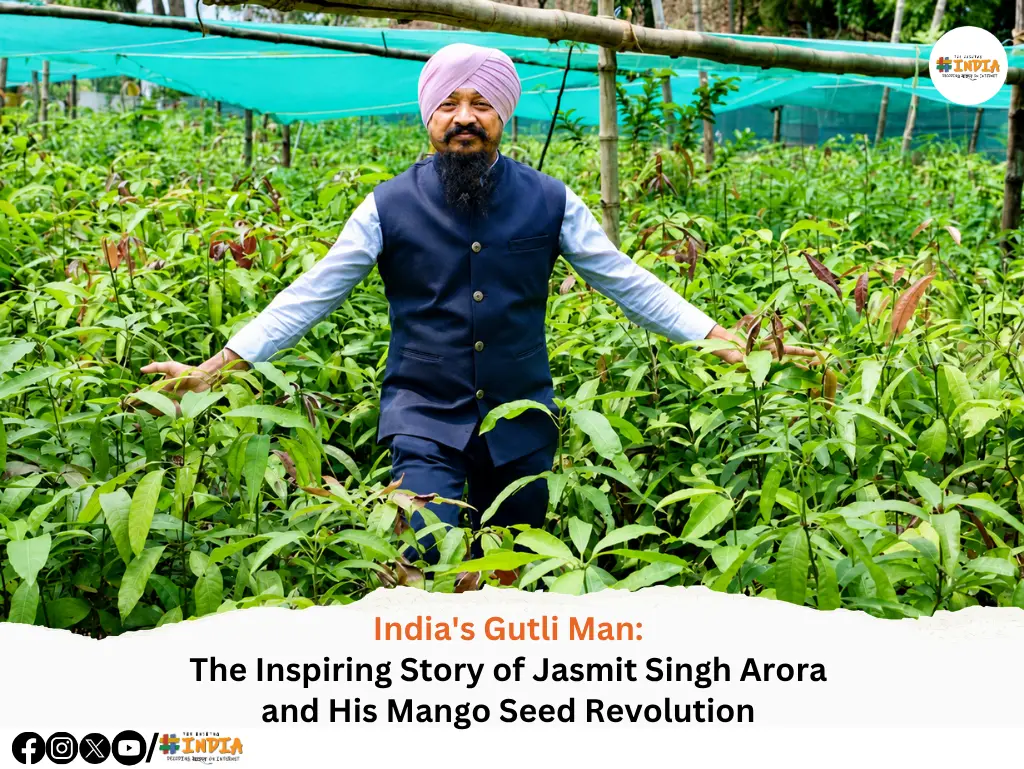

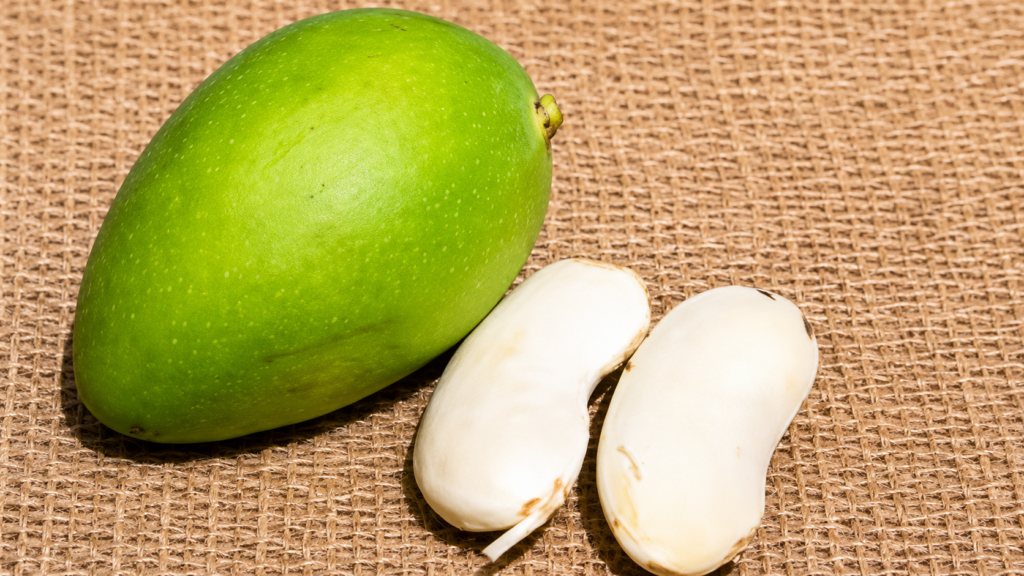
Every summer, mangoes become the heart of Indian households. From Alphonso and Himsagar to Langda and Dasheri, millions of people enjoy the country’s favourite fruit. But once the sweet pulp is gone, one thing almost always follows, the seed is thrown into the garbage.
For most of us, a mango seed is nothing more than waste.
For Jasmit Singh Arora, however, it became the beginning of one of India’s most inspiring environmental movements.
Known across the country as India’s “Gutli Man,” Jasmit has spent years collecting discarded mango seeds, nurturing them into saplings, and helping farmers plant fruit-bearing trees that can provide income for decades. What began as a simple observation has now become a nationwide mission involving schools, offices, NGOs, citizens, and even the Indian Army.
His journey proves that extraordinary change doesn’t always begin with billion-dollar ideas or revolutionary technology. Sometimes, it begins with something as ordinary as a mango seed.
Who is Jasmit Singh Arora?
Jasmit Singh Arora is a Kolkata-based entrepreneur, environmentalist, and social changemaker widely known as India’s Gutli Man.
While travelling through rural West Bengal several years ago, he witnessed a harsh reality. Farmers worked tirelessly throughout the year, yet many struggled to earn a sustainable income. Agriculture had become increasingly difficult due to changing weather patterns, rising cultivation costs, and dependence on traditional crops that offered limited returns.
Instead of searching for a complicated solution, Jasmit looked around him. During mango season, he noticed discarded mango seeds lying on roadsides, in markets, schools, and homes. Where others saw waste, he saw opportunity. That simple observation would eventually grow into one of India’s largest mango seed collection movements.
The Problem Nobody Was Talking About
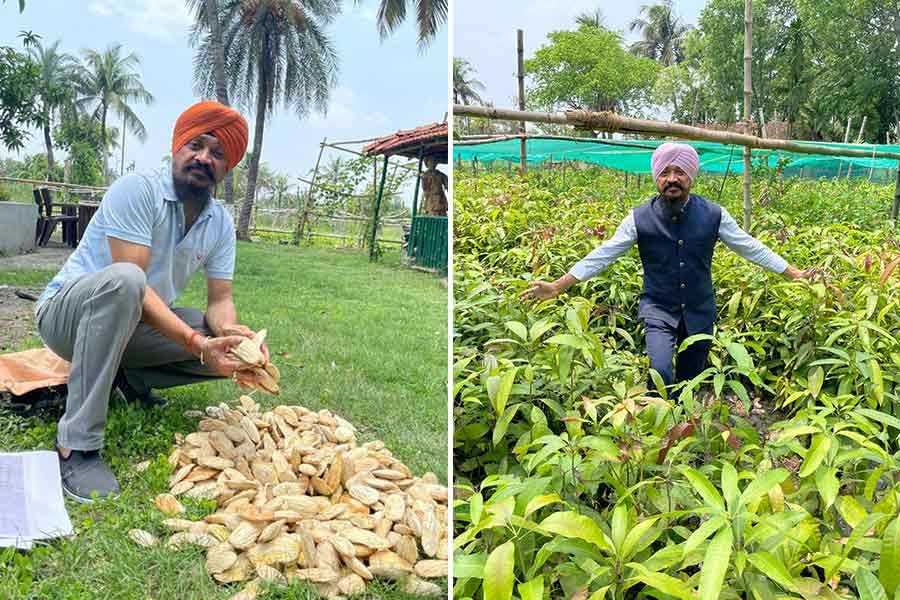
India is the world’s largest producer of mangoes. Every year, crores of mangoes are consumed across the country, generating millions of discarded seeds. Most of these seeds end up in landfills despite having the potential to grow into healthy fruit-bearing trees.
At the same time, thousands of farmers struggle with declining agricultural income, shrinking green cover, and the increasing impact of climate change. Jasmit realised these two challenges could be connected through one simple idea, turn waste into wealth.
The Birth of the Mango Seed Movement
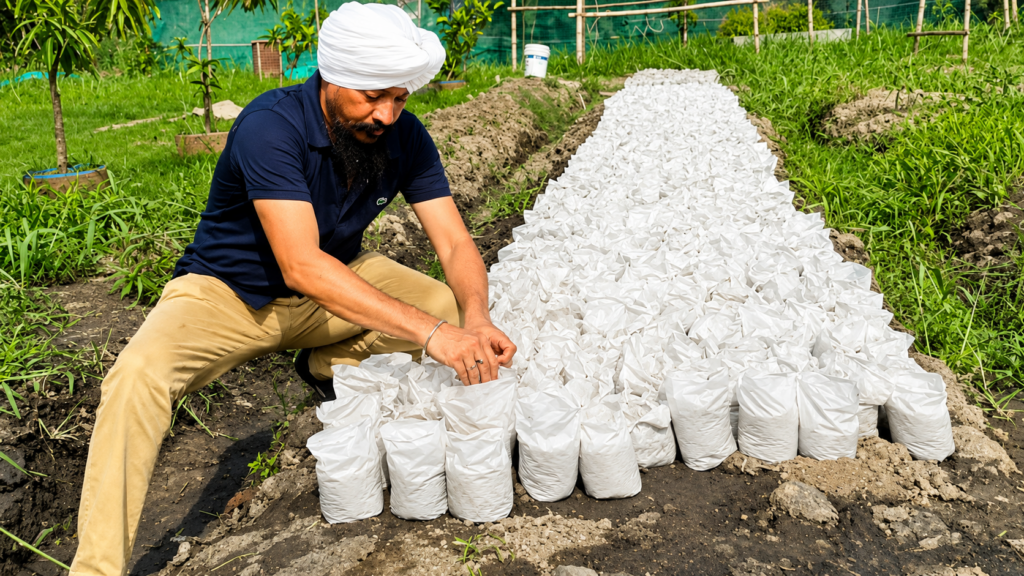
Instead of allowing mango seeds to become garbage, Jasmit began collecting them.
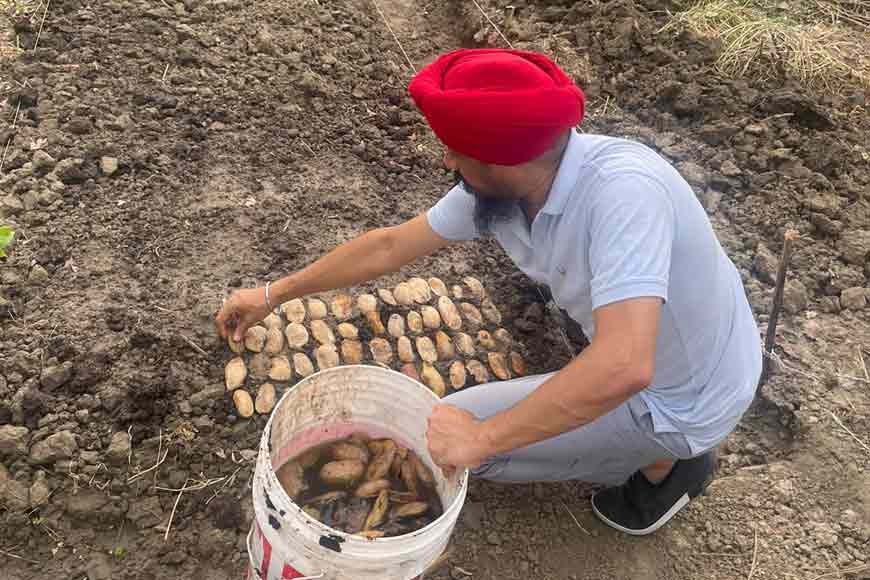
The process itself is simple but incredibly impactful. The discarded seeds are cleaned, preserved, and germinated. Once healthy rootstocks develop, they are grafted with premium mango varieties such as Himsagar, Langda, Gulab Khas, Amrapali, and other regional cultivars. This grafting process ensures that the trees produce high-quality fruit much earlier than naturally grown mango trees.
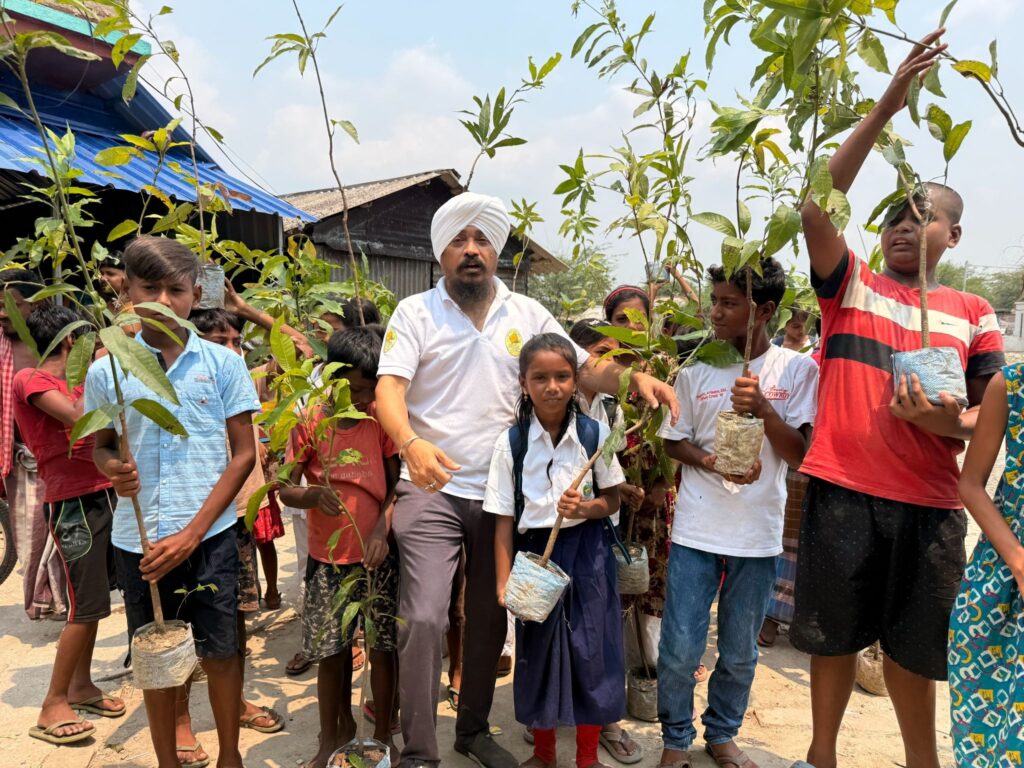
These saplings are then distributed to farmers, allowing them to cultivate fruit trees that become long-term income-generating assets. Rather than planting trees only for greenery, the movement creates orchards that benefit both the environment and rural livelihoods.
Seven Years of Belief Despite Doubt
Like many transformative ideas, this journey wasn’t easy.
People laughed at the idea of collecting mango seeds from garbage. Many questioned whether discarded seeds could ever make a difference. Some even called Jasmit “mad” for dedicating his life to collecting what everyone else threw away.
But he refused to stop.
For nearly seven years, he quietly continued building the movement, travelling through villages, collecting seeds, growing saplings, and convincing people that waste could become opportunity. There were no headlines in the beginning, no national campaigns, and no widespread recognition. There was only one man with unwavering belief in his mission.
When the Nation Joined the Mission
The turning point came in 2024.
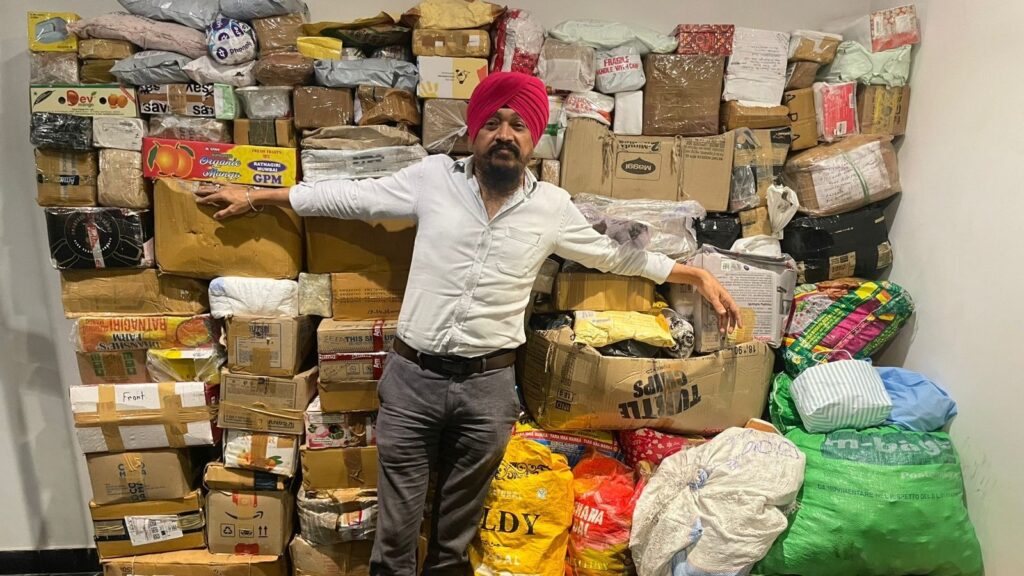
What started as an individual effort soon transformed into a people’s movement. Schools across India began organising mango seed collection drives. Corporate offices encouraged employees to save seeds instead of throwing them away. NGOs joined the campaign, housing societies participated enthusiastically, and even the Indian Army contributed collected mango seeds to the initiative.
A movement that once relied on one person’s determination had become a nationwide environmental campaign driven by collective action.
Numbers That Tell the Story
Today, the movement has achieved remarkable milestones.
More than 21 lakh mango seeds have been collected across India. These seeds have helped grow over 8 lakh fruit trees, benefiting more than 5,000 farmers and inspiring thousands of volunteers to participate in environmental conservation.
Every single seed represents something much bigger than a future tree. It represents cleaner cities, greener villages, sustainable farming, and better livelihoods for farming communities.
More Than Tree Plantation, Creating Sustainable Livelihoods
Unlike traditional plantation drives that primarily focus on increasing green cover, Jasmit’s mission creates long-term economic opportunities.
A mango tree can continue producing fruit for decades, providing farmers with an additional source of income every harvesting season. Alongside financial security, these trees improve food availability, enrich soil quality, reduce erosion, support biodiversity, and contribute to climate action by absorbing carbon dioxide.
The movement demonstrates that environmental conservation and economic development can grow together.
Changing the Way India Looks at Waste
The Mango Seed Movement isn’t simply about planting trees.
It’s about changing mindsets.
Every summer, millions of households unknowingly throw away something capable of becoming a productive fruit tree. By simply collecting and donating mango seeds, ordinary citizens become active participants in a nationwide environmental mission.
This is sustainability in its simplest and most accessible form. No expensive technology. No complicated systems. Just awareness, participation, and consistency.
A Lesson in Sustainable Innovation
One of the biggest reasons this movement inspires people is its simplicity.
Jasmit didn’t invent new technology or build expensive machinery. Instead, he recognised value where everyone else saw waste.
Rather than asking, “What can we create?” he asked a far more powerful question:
“What are we already throwing away?”
That single shift in perspective has transformed thousands of lives and inspired countless people to rethink the value hidden in everyday waste.
Final Thoughts
India’s greatest stories rarely make daily headlines.
They unfold quietly in villages, classrooms, farms, and communities where ordinary people dedicate themselves to solving extraordinary problems.
Jasmit Singh Arora’s journey reminds us that leadership isn’t measured by fame but by impact. His vision transformed discarded mango seeds into millions of possibilities. It restored hope for farmers, inspired volunteers across the country, and encouraged people to see value where others saw waste.
In a world constantly searching for grand solutions, India’s Gutli Man reminds us that meaningful change often begins with the smallest of things.
Sometimes, all it takes is one mango seed.
For more such inspiring Stories of India, follow The Hashtag India
FAQs
He is known as India’s Gutli Man because he leads a nationwide initiative that collects discarded mango seeds (“gutli”) and transforms them into fruit-bearing trees for farmers.
The Mango Seed Movement is an environmental initiative that collects discarded mango seeds, grows them into saplings, grafts them with quality mango varieties, and distributes them to farmers to improve livelihoods and increase tree cover.
The movement has collected more than 21 lakh mango seeds, resulting in over 8 lakh fruit trees across India.
More than 5,000 farmers have benefited through fruit tree plantations and improved agricultural opportunities.
Mango trees provide long-term income through fruit production while improving food security, enriching biodiversity, reducing soil erosion, and contributing to climate resilience.
Stay Connected with The Hashtag India!
Love what you just read? Just Stay curious, keep exploring, and let every story inspire your day, your passions, and your journey!
Follow us for more amazing content: