
Introduction
Spanning more than 1,600 kilometers from north to south, Vietnam is a destination defined by diversity. Here, cloud-covered mountains transition into sun-kissed coastlines, fast-paced cities sit beside peaceful rural villages, and ancient customs continue to thrive alongside modern lifestyles. No matter your travel style, adventure, culture, food, or relaxation, Vietnam has a way of surprising you at every turn.
Each part of the country offers a distinct personality:
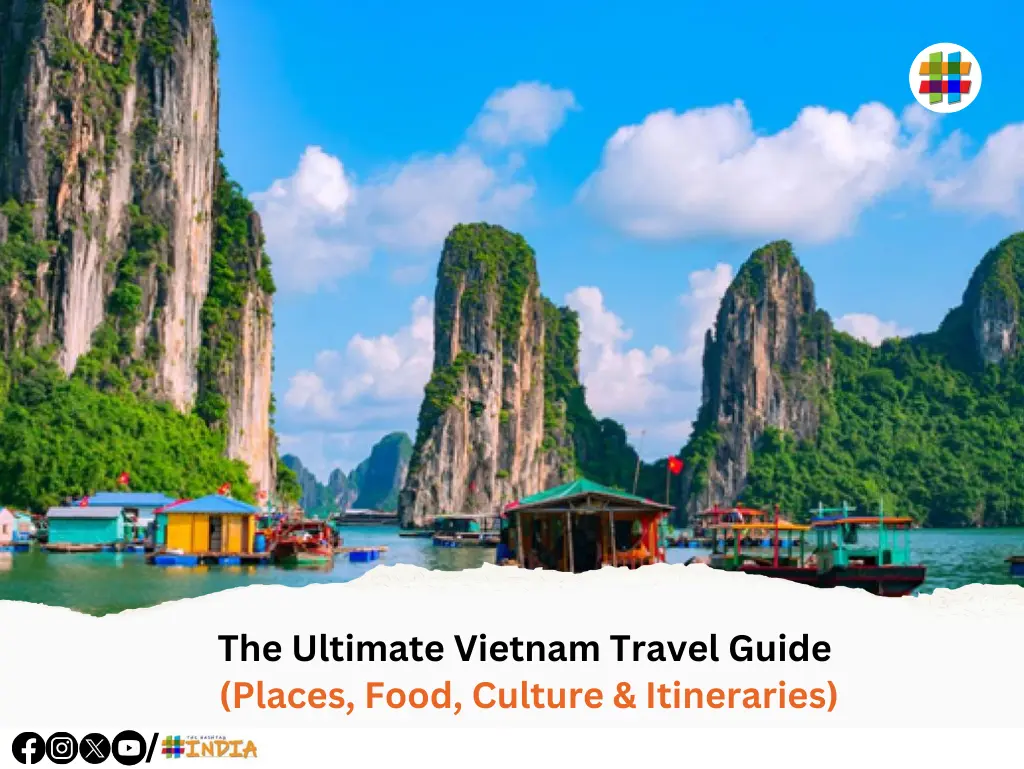
North Vietnam is known for its dramatic scenery and deep-rooted traditions. From the lively streets of Hanoi to the limestone wonders of Ha Long Bay and the terraced hills of Sapa, this region is ideal for trekking, photography, and cultural exploration.
Central Vietnam blends history with coastal beauty. Destinations like Hoi An, Hue, and Da Nang showcase imperial architecture, UNESCO heritage sites, and some of the country’s most beautiful beaches, making it perfect for travelers seeking culture and calm.
South Vietnam feels energetic and tropical. Ho Chi Minh City thrives with modern life and history, while the Mekong Delta slows things down with river journeys, floating markets, and village experiences.
Travel Insight: Exploring Vietnam from north to south gives you a complete picture of the country, from misty mountains to lantern-lit towns and lush river landscapes.
Why Visit Vietnam
Vietnam appeals to travelers for many reasons:
Cultural Depth: Influenced by indigenous traditions, Chinese philosophy, and French colonial history, Vietnam’s culture is visible in its temples, architecture, festivals, and daily life.
Budget-Friendly Travel: From street-side meals to comfortable stays and transport, Vietnam offers excellent value without compromising on experience.
Natural Beauty: Limestone islands, rice terraces, long coastlines, tropical islands, and winding rivers create a constantly changing backdrop.
Varied Experiences: Whether it’s hiking in the highlands, discovering ancient towns, tasting regional cuisine, or cruising through river deltas, Vietnam suits all kinds of travelers.
Travel Insight: Each region feels like a different country, making Vietnam ideal for multi-city trips.
Best Time to Visit Vietnam (By Region)
Vietnam’s climate changes significantly from north to south, so timing matters.
- North Vietnam (Hanoi, Sapa, Ha Long Bay): October to April brings cooler temperatures and clearer skies
- Central Vietnam (Hoi An, Da Nang, Hue): February to August is sunny and dry; September to November sees more rainfall
- South Vietnam (Ho Chi Minh City, Mekong Delta): December to April is dry and comfortable; May to November is the monsoon season
Planning Tip: Choose travel dates based on regions rather than the entire country to avoid unfavorable weather.
Visa & Entry Requirements (Overview)
- e-Visa: Available for travelers from many countries, typically valid for 30 days
- Visa on Arrival: Requires pre-approval documentation
- Passport Validity: Must be valid for at least six months
Important: Always verify current visa rules through official sources before booking.
Top Cities & Destinations
Vietnam’s destinations cover every travel interest:
- Hanoi: Historic streets, lakes, museums, and street food culture
- Ha Long Bay: Iconic limestone formations and overnight cruises
- Sapa: Mountain landscapes, rice terraces, and ethnic communities
- Hoi An: Preserved old town, lantern evenings, and riverside cafés
- Hue: Royal citadels, pagodas, and imperial history
- Da Nang: Beaches, modern infrastructure, and natural attractions
- Ho Chi Minh City: History, nightlife, markets, and modern energy
- Mekong Delta: River life, floating markets, and countryside charm
Travel Tip: Balance cities, nature, and heritage towns for a well-rounded journey.
Vietnamese Food & Café Culture
Food is central to the Vietnam experience.
Signature Dishes:
- Pho – aromatic noodle soup
- Banh Mi – Vietnamese-style sandwich
- Bun Cha – grilled meat with noodles and herbs
- Goi Cuon – fresh spring rolls
- Ca Phe Sua Da – iced coffee with condensed milk
Café Scene:
- Bustling street cafés and hidden alleyway spots
- Rooftop cafés with city views
- Early-morning food walks reveal authentic flavors
Food Insight: Eating where locals eat often leads to the best meals.
Beaches, Mountains & Nature
Vietnam’s landscapes are incredibly varied:
- Beaches: Phu Quoc, Nha Trang, Mui Ne for relaxation and water activities
- Mountains: Sapa, Fansipan, Ba Na Hills for trekking and viewpoints
- Nature Experiences: Ha Long Bay cruises, Mekong Delta boat rides, and national parks like Phong Nha–Ke Bang
Photography Tip: Early mornings offer the best light and fewer crowds.
History, Culture & Traditions
- Architectural Heritage: Pagodas, temples, colonial buildings, and royal complexes
- Festivals: Tet (Lunar New Year), Mid-Autumn Festival, and regional celebrations
- Local Crafts: Lantern-making, silk weaving, pottery, and handicrafts
Cultural Tip: Visiting local villages and workshops provides deeper cultural understanding.
Where to Stay
Accommodation options suit every budget:
- Budget: Hostels and homestays (₹1,000–2,500/night)
- Mid-Range: Boutique hotels and resorts (₹3,000–6,000/night)
- Luxury: Beach resorts, city hotels, and private villas (₹7,000+/night)
Stay Insight: Homestays are popular in the north and center, while luxury resorts shine in the south.
Getting Around Vietnam
- Flights: Best for long distances
- Trains: Scenic and comfortable for cross-country travel
- Buses: Affordable and widely available
- Scooters: Ideal for short distances
- Ride-Hailing Apps: Convenient in major cities
Travel Tip: Scooters offer flexibility in towns like Hoi An and Ho Chi Minh City.
7-Day & 10-Day Itineraries
7-Day Plan:
- Days 1–2: Hanoi & Ha Long Bay
- Days 3–4: Hoi An & Da Nang
- Days 5–6: Hue and nearby countryside
- Day 7: Ho Chi Minh City or Mekong Delta
10-Day Plan:
- Days 1–3: Hanoi, Sapa, Ha Long Bay
- Days 4–6: Hue, Da Nang, Hoi An
- Days 7–10: Ho Chi Minh City, Mekong Delta, Phu Quoc
Itinerary Tip: Mix fast-paced cities with slower nature experiences.
Budget & Safety Tips
- Daily Budget:
- Backpacker: ₹1,500–2,500
- Mid-range: ₹3,500–6,000
- Luxury: ₹7,000+
- Backpacker: ₹1,500–2,500
- Money Tips: Street food, local transport, and early bookings save money
- Safety Tips: Secure valuables, use licensed transport, follow traffic rules
- Health Tips: Stay hydrated, use sunscreen, and eat freshly prepared food
Maps & Insider Insights
- Mark beaches, towns, and national parks in advance
- Sunrise in Ha Long Bay and evenings in Hoi An are unforgettable
- Explore lesser-known villages and markets for authentic experiences
- Plan routes smartly to reduce travel fatigue
Final Thoughts
Vietnam is a destination that stays with you long after the journey ends. From mountain mornings in the north to lantern-lit evenings in the center and river life in the south, every region adds a new layer to the experience.
Whether it’s the flavors of street food, the calm of a river cruise, or the charm of historic towns, Vietnam offers more than just sights, it offers stories, emotions, and memories that linger. It’s a country you don’t just visit; you connect with. And once you do, a part of it always travels back home with you.
Stay Connected with The Hashtag India!
Love what you just read? Just Stay curious, keep exploring, and let every story inspire your day, your passions, and your journey!
Follow us for more amazing content: